
SOURCING CACAO FROM INDIGENOUS FARMERS AND COMMUNITIES
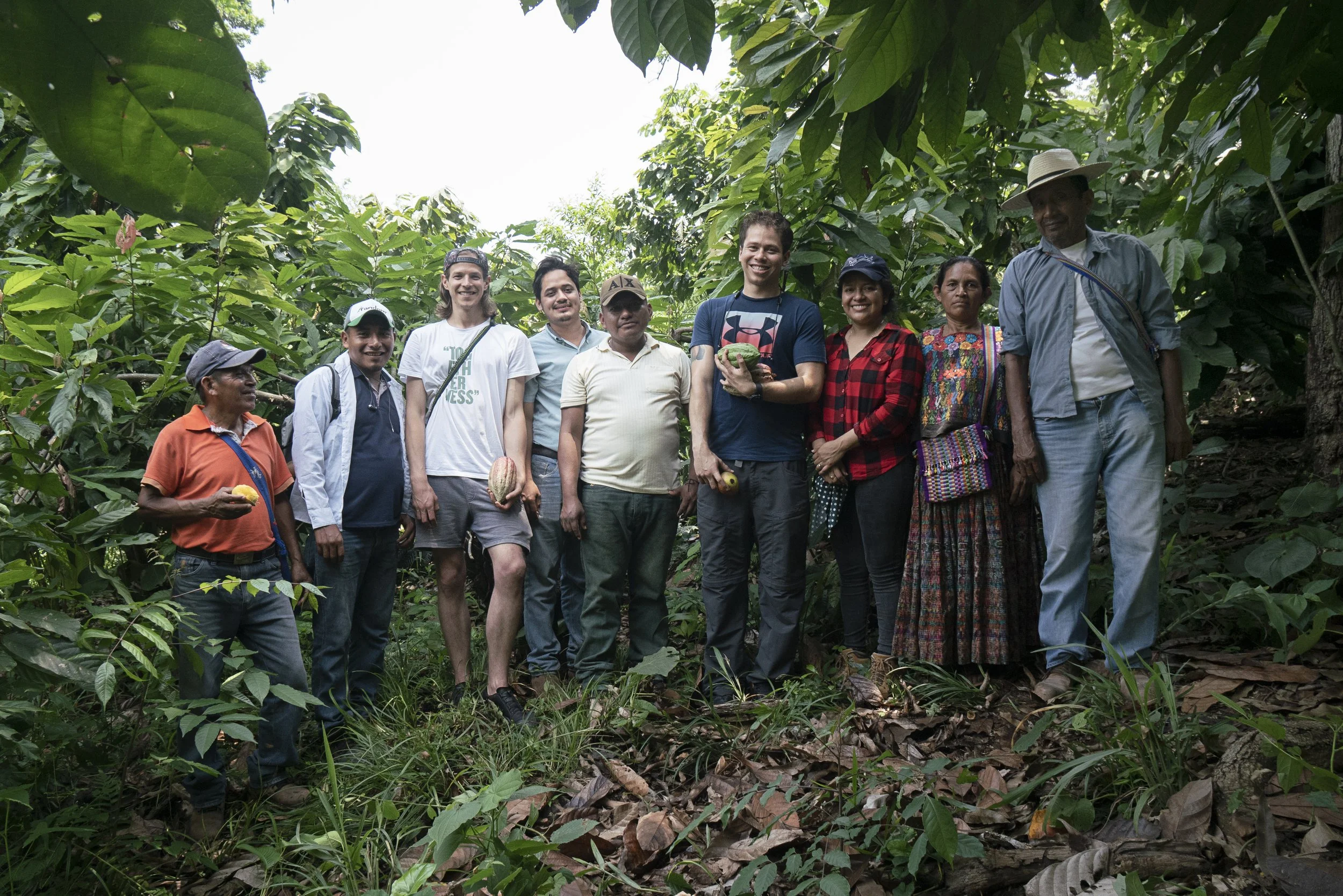
We work directly with organic smallholder farming cooperatives in Guatemala using regenerative practices like agroforestry and biodiversity protection while paying farmers 2.5x the fair trade minimum. We also rotate our cacao across multiple farms to protect soil health and prevent land exhaustion.
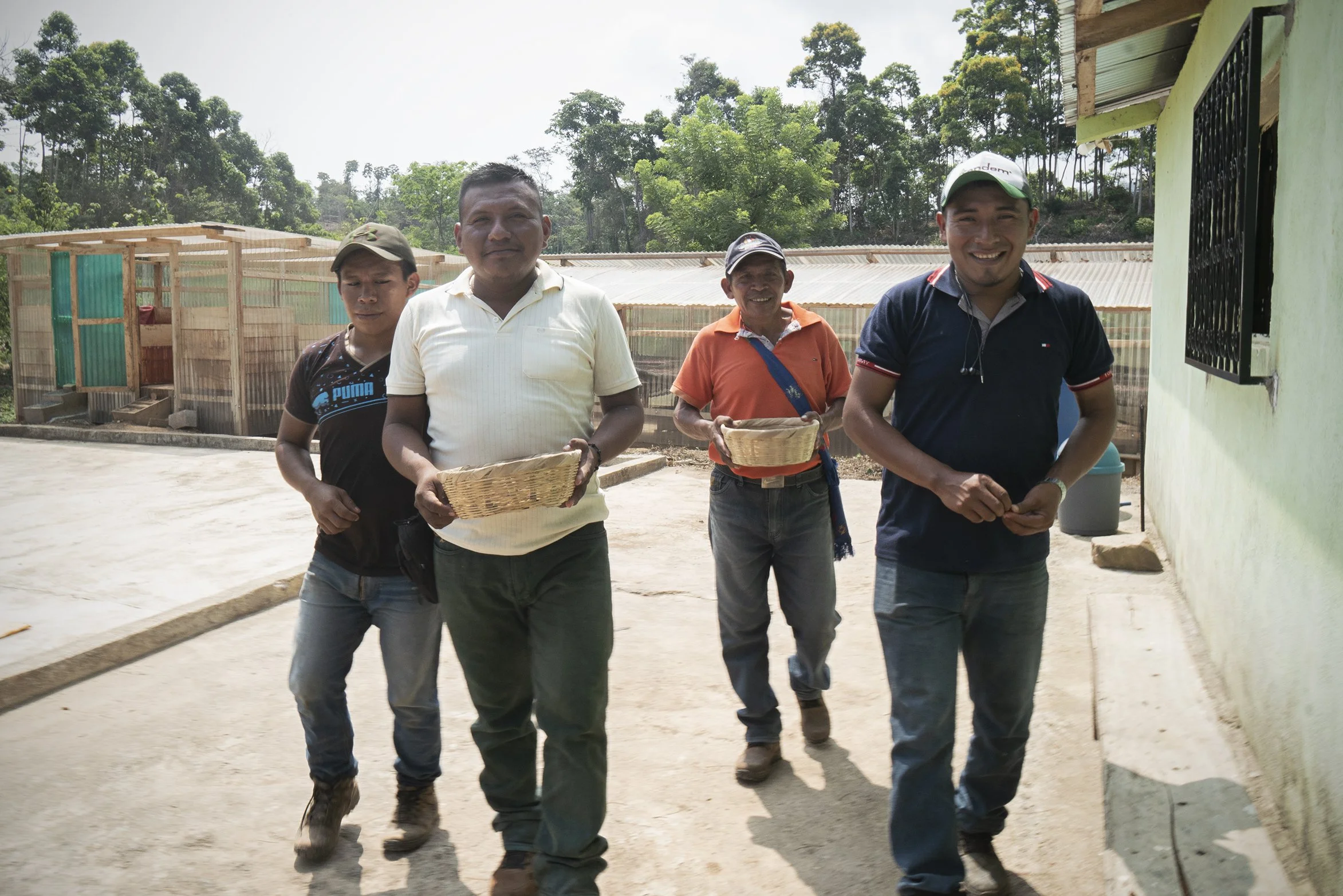
FINCA POLOCHIC
Finca Polochic is located in the area of Alta Verapaz, about 3 hours from the Atlantic Ocean. It is located just outside one of Guatemala's most important nature reserves, Sierra de las Minas, which is considered Guatemala's most important water reserve, as it has more water sources in its surroundings than anywhere else in Guatemala. It is also known for the great biological variety of mammals, birds and pines unique to the area. The cocoa beans they grow in this area are known for their nutty and caramel flavors.
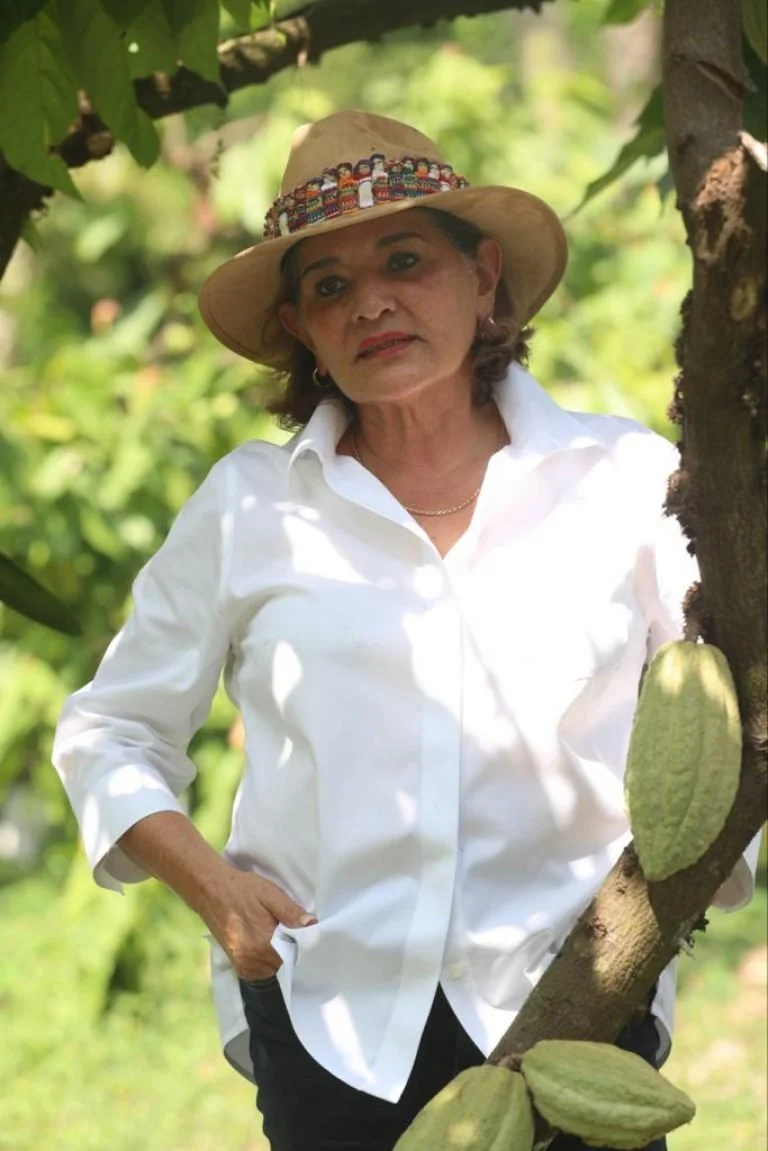
Finca La Cruz is an agroforestry farm that is located in Suchitepéquez, Guatemala and is currently led by the fourth generation of the Valenzuela family. The farm has been producing high quality crops for over 100 years. This 25 hectare cacao farm blends 40 year old native forest with diverse fruit trees and rare, highly prized criollo cacao. Finca La Cruz cacao is characterized by its citrus, floral and fruity notes. Its dedication to exceptional flavor and meticulous post harvest practices has earned the farm a gold medal in the Cocoa of Excellence competition, one of the highest international recognitions for exceptional flavor cacao. Because of its commitment to the conservation of its forests and its natural agronomy practices, Finca La Cruz is part of the sustainable cacao movement.
FINCA LA CRUZ
FINCA KAMPURA
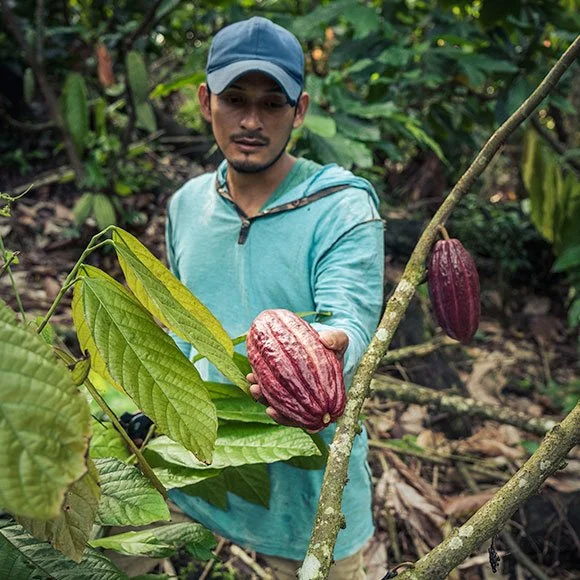
Finca Kampura is a family run cacao farm located in Izabal, Guatemala. We source our cardamom from here as well as seasonal cacao. Finca Kampura is a certified organic farm where cacao is grown through agroforestry and regenerative soil practices. Their innovative approach eliminates the need for chemical fertilizers while maintaining high yield, producing approximately 200 metric tons of cacao per year. They work within a model of biodiversity and soil health that results in bold, complex flavor profiles. They have also achieved national and global recognition for the quality of their cacao, placing first and second medals in several competitions.
All the farms we work with are organic, though not all are USDA certified. Certification is expensive for small farms, but working directly allows us to support their sustainable methods and help them reach certification in the future.
FINCA KOKOA FAMILY CHUB LEAL
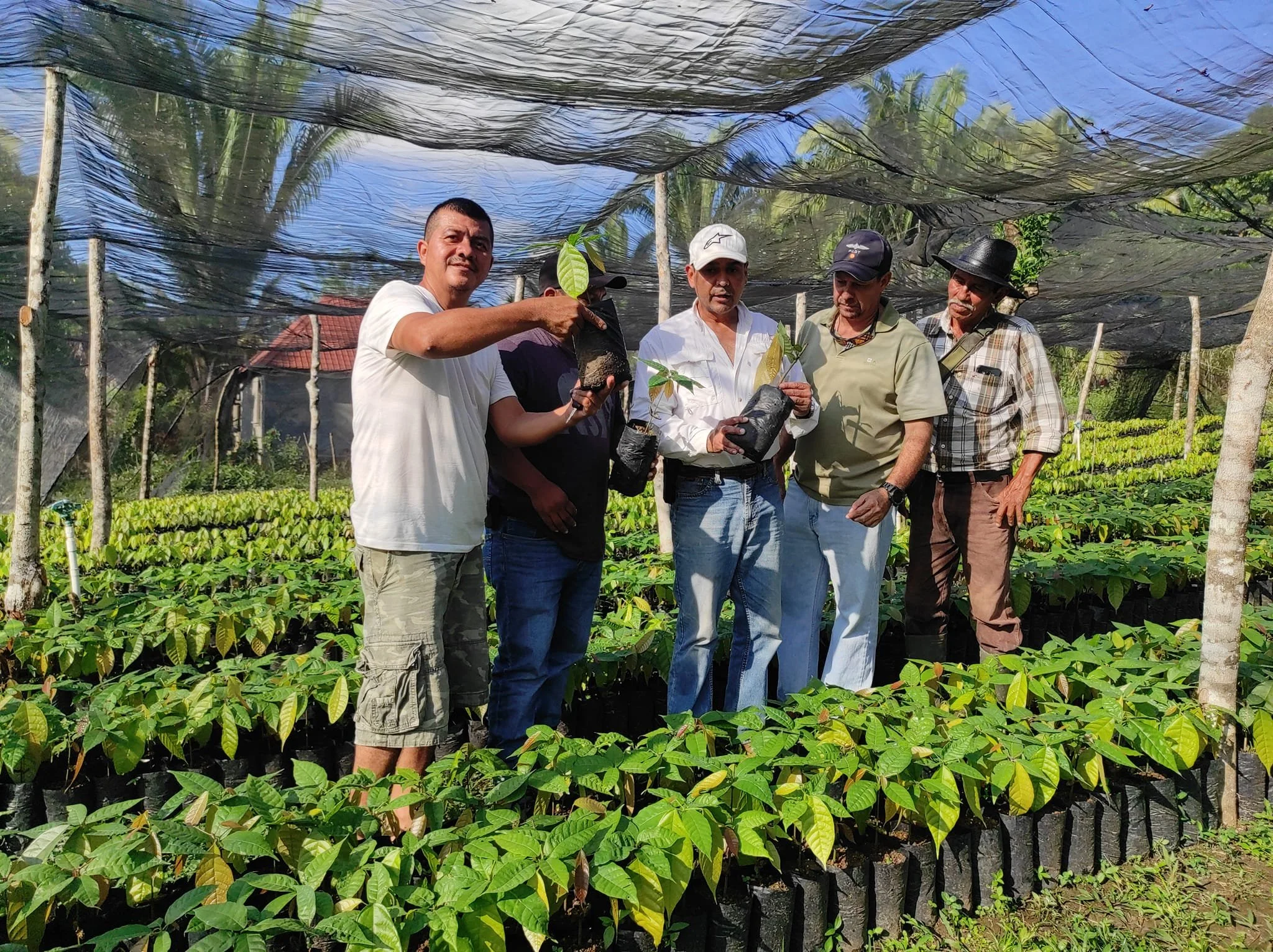
Finca Kokoa Family Chub Leal is located in the village forests to the beautiful lagoon of Lachuá, Alta Verapáz. They run a co-op of families dedicated to the planting of fine aroma cocoa in an organic and organized way. In this area we find one of the most exotic cacao in the world: the white cocoa bean. The farmers at this Finca are perfectionists in their fermentation and drying processes. We are proud to see how their cacao is not only a source of work for the communities but also directly responsible for the well-being of the area’s ecosystem.
FINCA CHESIBIK
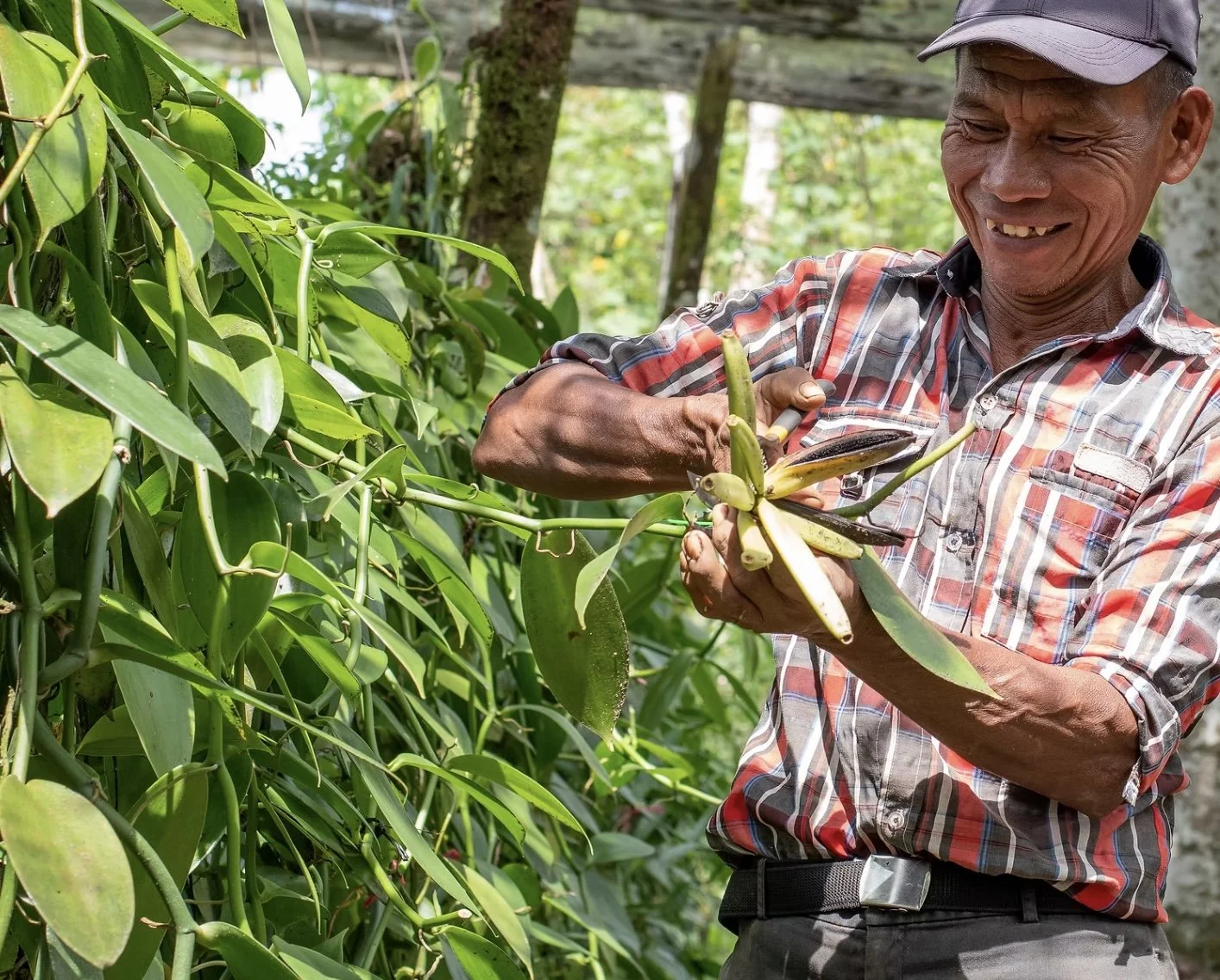
We’re proud to source our vanilla bean, the Mayan Vanilla (Vanilla cribbiana) from Finca Chesibik, located in Alta Verapaz, northern Guatemala. This rare vanilla species, native to Guatemala and Mexico, thrives at Finca Chesibik, the oldest and largest farm of Vanilla cribbiana in the world. The Qeqchi Maya call this kind of Vanilla “Chesibik,” meaning “the Tree that Smokes,” a nod to its deep, aromatic nature. For generations, they have used native vanilla pods in special gatherings, often blending them with cacao to create uniquely fragrant, ceremonial drinks.
FINCA AGUA BLANCA
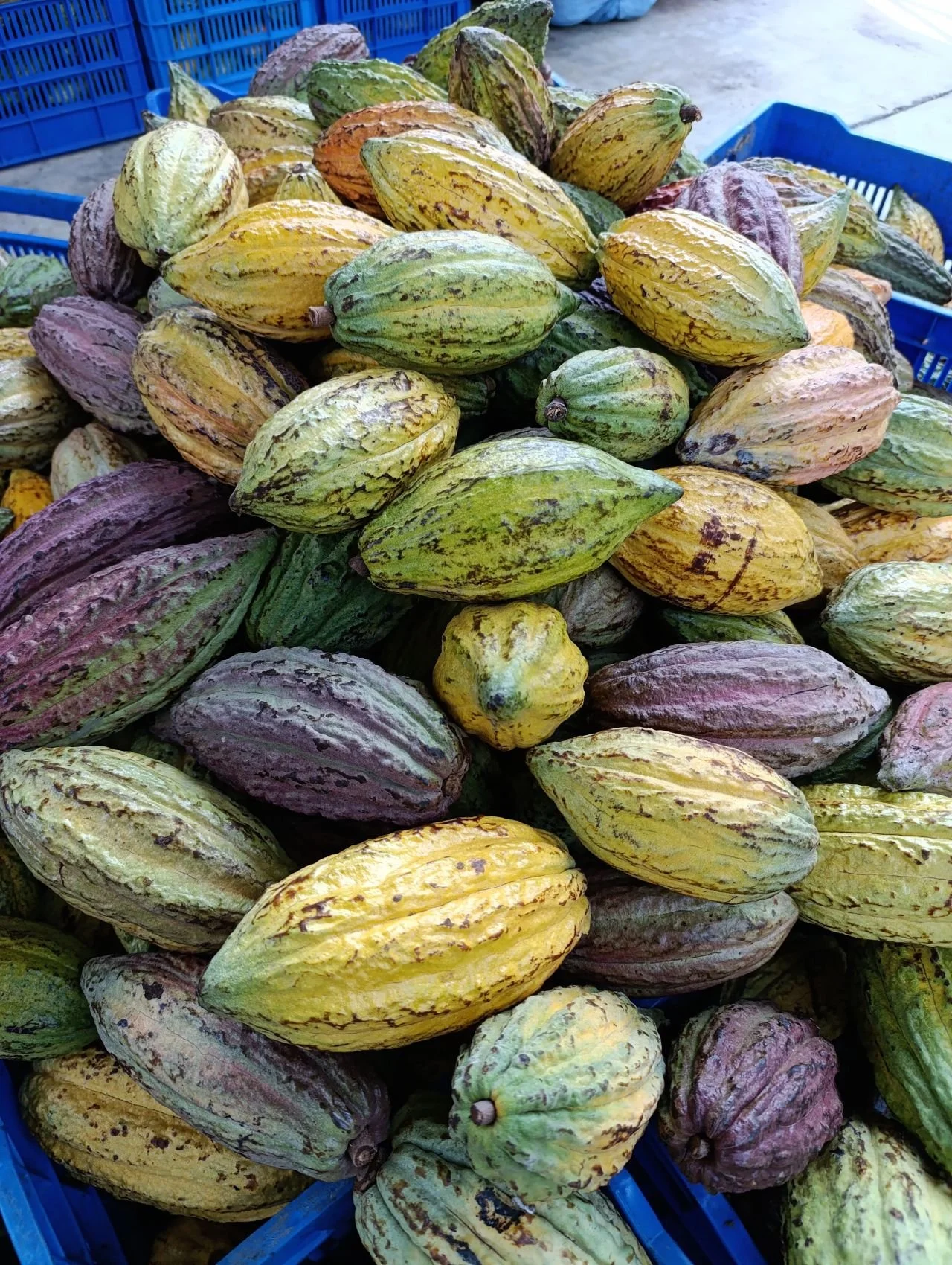
Finca Agua Blanca is a rising, forward thinking cacao farm in Siquinalá, Escuintla that’s pushing the boundaries of what Guatemalan cacao can be. Family run and rooted in agroforestry, this farm is designed for flavor, resilience, and year round production. Their cacao grows alongside rubber trees, avocado trees, and mango trees, and in some sections, within a naturally occurring Conacaste forest. This biodiverse system provides shade, healthier soils, and a more climate resilient farm ecosystem. The farm also creates dignified work opportunities for local women, strengthening both household income and the broader community.
